
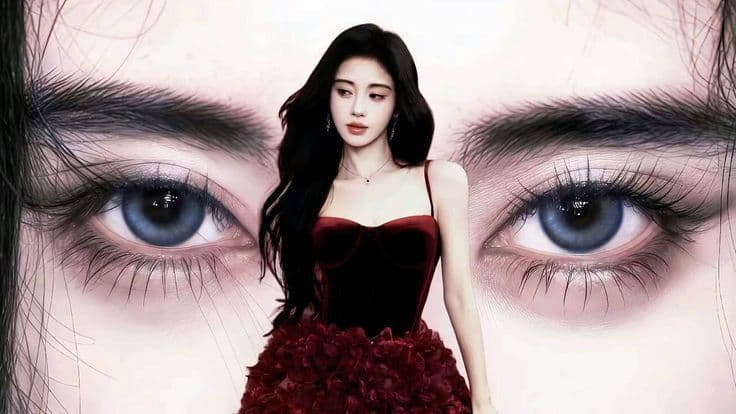
Prompt engineering is both an art and a science. In this comprehensive guide, we'll explore advanced techniques that will take your AI-generated artwork to the next level.
Link to Understanding Prompt StructureUnderstanding Prompt Structure
The way you structure your prompts significantly impacts the quality of generated images. Let's break down the anatomy of an effective prompt.
Link to Basic Prompt ComponentsBasic Prompt Components
Every great prompt consists of several key elements:
- Subject: What is the main focus of the image?
- Style: What artistic style should be applied?
- Mood: What emotion or atmosphere should it convey?
- Technical Details: Lighting, composition, camera angles
Link to The Power of SpecificityThe Power of Specificity
Compare these two prompts:
text
The difference in results is dramatic. Specificity gives the AI more context to work with.
Link to Advanced Prompt TechniquesAdvanced Prompt Techniques
Now let's dive into techniques used by professional AI artists.
Link to Weighted KeywordsWeighted Keywords
You can emphasize certain elements by using weights:
typescript
Link to Negative Prompting StrategyNegative Prompting Strategy
Negative prompts are just as important as positive ones. Here's a strategic approach:
Categories of negative prompts:
- Quality issues: blurry, low quality, pixelated, distorted
- Unwanted elements: text, watermark, signature, frame
- Anatomical problems: extra fingers, deformed, mutated
- Style conflicts: cartoon, anime (if going for realism)
Link to Style Mixing TechniquesStyle Mixing Techniques
Combining multiple artistic styles creates unique results:
python
Link to Prompt Templates for Different Use CasesPrompt Templates for Different Use Cases
Let me share some battle-tested templates.
Link to Portrait Photography TemplatePortrait Photography Template
text
Link to Landscape TemplateLandscape Template
text
Link to Abstract Art TemplateAbstract Art Template
text
Link to Real-World ExamplesReal-World Examples
Let's analyze some successful prompts and why they work.
Link to Example 1: Fantasy LandscapeExample 1: Fantasy Landscape
Prompt:
text
Why it works:
- Clear subject (elven city)
- Specific details (bioluminescent, floating islands)
- Defined lighting (golden hour)
- Style references (fantasy art, concept art)
- Quality indicators (highly detailed, ArtStation)
Link to Example 2: Product PhotographyExample 2: Product Photography
Prompt:
text
Why it works:
- Product clearly defined
- Technical photography terms
- Specific lighting setup
- Professional context
Link to Common Mistakes to AvoidCommon Mistakes to Avoid
Learn from these frequent errors.
Link to Mistake 1: Overloading the PromptMistake 1: Overloading the Prompt
Bad:
text
Good:
text
Quality adjectives have diminishing returns. Use them sparingly.
Link to Mistake 2: Conflicting InstructionsMistake 2: Conflicting Instructions
Avoid contradictory elements:
- "Photorealistic anime" (style conflict)
- "Bright dark scene" (lighting conflict)
- "Minimalist highly detailed" (complexity conflict)
Link to Mistake 3: Ignoring CompositionMistake 3: Ignoring Composition
Don't forget to specify composition:
typescript
Link to Testing and IterationTesting and Iteration
The key to mastering prompts is systematic testing.
Link to The Scientific ApproachThe Scientific Approach
- Start with a baseline prompt
- Change one variable at a time
- Document your results
- Build a personal prompt library
Link to Keeping a Prompt JournalKeeping a Prompt Journal
Track what works:
| Prompt Element | Result Quality | Notes | | ------------------------ | -------------- | ---------------------------------- | | "cinematic lighting" | 9/10 | Works great for dramatic scenes | | "soft focus" | 7/10 | Good for portraits, not landscapes | | "trending on ArtStation" | 8/10 | Improves overall quality |
Link to Advanced Tools and ResourcesAdvanced Tools and Resources
Enhance your prompt engineering workflow.
Link to Prompt GeneratorsPrompt Generators
Use tools to help structure your prompts:
javascript
Link to Community ResourcesCommunity Resources
- Prompt databases: Browse successful prompts
- Discord communities: Share and learn
- Style guides: Reference artistic movements
- Modifier lists: Comprehensive keyword collections
Link to ConclusionConclusion
Mastering prompt engineering takes practice, but the results are worth it. Start with these techniques, experiment consistently, and develop your own style.
Remember:
- Be specific but not overwhelming
- Use negative prompts strategically
- Test systematically
- Learn from the community
- Keep iterating
Happy prompting! 🎨✨
Share this post
Alex Chen
Technical writer and AI researcher exploring the intersection of creativity and technology.